
Emergency Preparedness
Water Storage: How to Find Water When the Urban Systems Fail

Dec
People worry about losing power—but losing water can be far more disruptive in an urban setting.
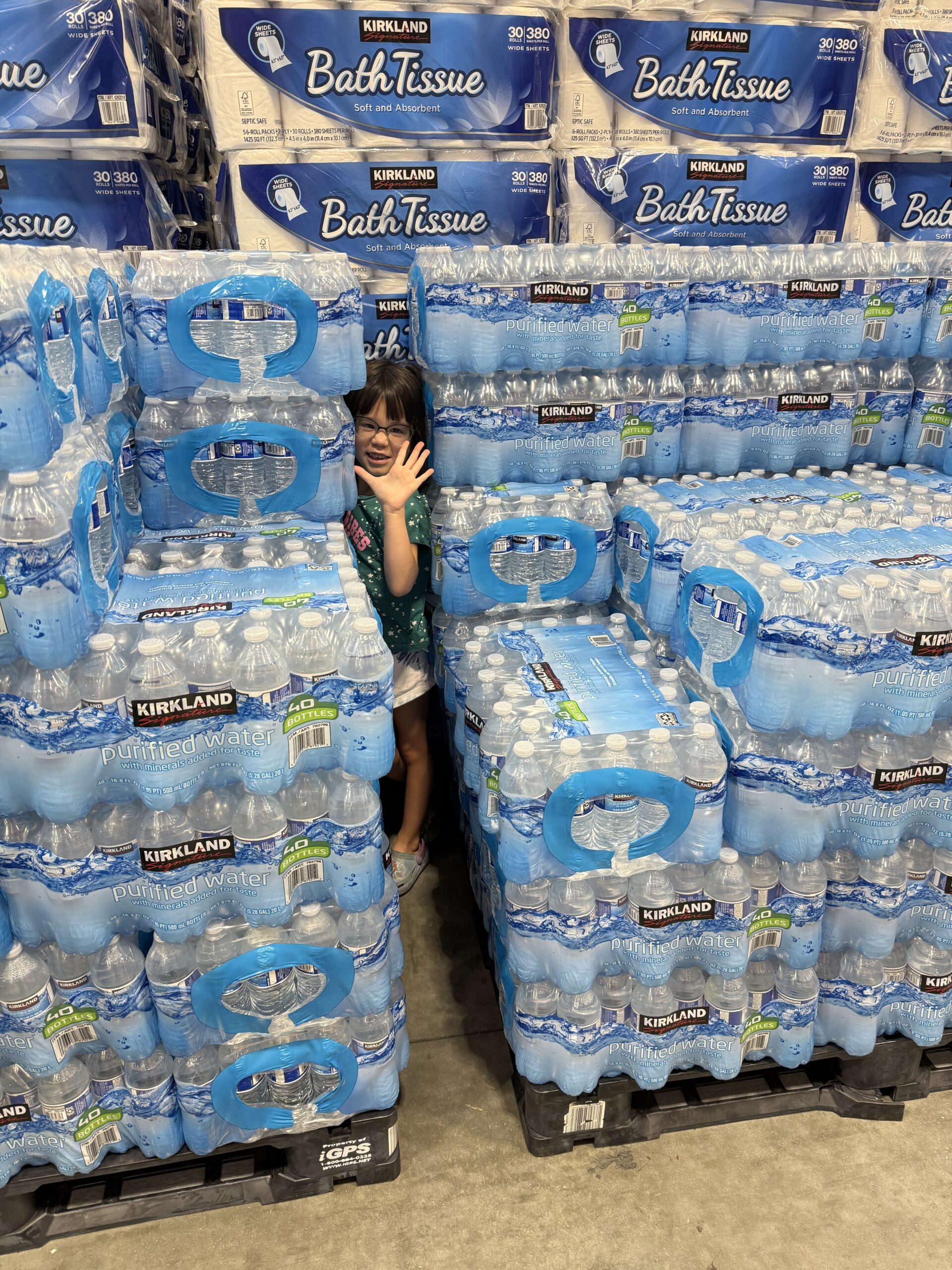
Most city water systems rely on electric pumps. When the grid fails, pressure drops, taps slow to a trickle, and higher floors, such as in an apartment setting, lose water first. Even if the pipes still have pressure, contamination becomes a real possibility during hurricanes which can dredge up sewage water and initiate a boil notice, or worse, just do not drink from the tap at all.
We were without water once because a pipe burst under the house we were renting. It took a week for them to come fix it. Luckily, we were prepared, so it wasn’t a big deal, but even just that week was a huge inconvenience.
The good news is: with the right storage strategy and a few smart tools, you can stay ahead of any potential water crisis.
This guide breaks down what to do before, during, and after an urban water failure, plus the safest, most realistic ways to get water when the system goes down.
Why Urban Water Systems Fail
Urban water failures usually happen because:
- Electrical pumps stop working during a blackout
- Water treatment plants lose power
- Pipes break during freezing weather
- Contaminants enter the system
- City infrastructure gets overwhelmed
- Everyday pipes bursting
Usually in cities, you don’t have wells or creeks in your backyard. You rely on municipal systems, which means a disruption leaves you with no immediate alternative unless you are prepared.
Step 1: Build a Practical Urban Water Storage Plan
You don’t need a basement full of 55-gallon barrels. Urban water storage is about being strategic, compact, and intentional.
Store Water in Multiple Small Containers
Instead of one large tank, rely on:
- Gallon jugs
- 2–3 liter bottles
- Stackable water bricks
- Collapsible containers
- Reusable beverage pitchers
- Bathtub waterBOB
These are easier to rotate and stash in closets, under beds, cabinets, or shelves.
Aim for:
- 2 gallons per person, per day
Start small and build over time. Rotate naturally in everyday life.

Step 2: Fill Your Home’s “Hidden Storage”
When you don’t have extra space, you use what you have.
Good spots include:
- Under beds
- Bottom shelves of closets
- Inside empty suitcases
- Laundry room shelves
- Behind doors
- Under sinks (if temps stay stable)
- Storage benches
- Garage storage totes (stack two high, place a blanket over them and use them as a side table!)
Even 1–2 gallons tucked away in multiple places adds up fast.
Step 3: When the Power Goes Out—Fill Every Container Immediately
If a blackout hits, don’t wait to see what happens.
Do this within the first 15 minutes:
- Fill pitchers
- Fill large bowls
- Fill pots and pans
- Fill the bathtub (with the waterbob)
- Fill every clean container available
Urban systems can lose pressure fast—especially in winter or during peak demand.
You may have only minutes before your taps slow to a trickle.

Step 4: Keep Water Safe With Simple Treatment Options
During grid failures, water may still flow but it may not be safe to drink.
Use at least one of the following:
Filters
- Gravity filters
- Countertop filters
- Backpacking filters
- Bottle filters
Choose something you can operate without electricity.
Purification Tablets
These are compact and ideal for emergencies.
Boiling
If you have an off-grid cooking method:
- Boil water for 1 full minute
- At higher elevations: 3 minutes
Bleach
In an absolute emergency:
- 1/8 teaspoon (8 drops) of unscented household bleach per gallon
- Mix thoroughly
- Wait 30 minutes
Filtering + disinfecting is the safest combination.
Step 5: Finding Water in an Urban Setting
You may need to locate additional water if the outage lasts longer than expected.
These are realistic, safe sources:
1. Your Hot Water Heater
If you live in a house or certain types of condos, your water heater can provide 30–50 gallons of clean water.
- Shut off power/gas first
- Use the drain valve at the bottom
2. The Toilet Tank
Not the bowl—the tank.
Water is clean as long as you haven’t used cleaning tablets. Of course, run it through a gravity fed system first, as some tanks get a little icky over time.
3. Melted Ice
From outside or use freezer ice, frozen water bottles or ice packs in a pinch.
4. Public Buildings (During Partial Blackouts)
If the grid is partially down, some public buildings may still have pressure. You can use a sillcock key to access the water from outside. This is for emergency purposes only.
Bring containers to fill.
5. Rainwater Collection
A blackout and rainstorm often go hand in hand.
Use bowls, buckets, or even clean trash bags secured inside containers.
6. Pools
Do you or your neighbors have a pool? This is good water, once it’s been sanitized of the chlorine. You can do that with a battery powered reverse osmosis system, or with a gravity fed system.
7. Gyms, Employers, or Community Centers
If they still have power or backup generators, they may have running water.
Note: Always purify questionable sources, even if they look clean.
Step 6: Avoid Unsafe Urban Water Sources
If you’re unsure where the water comes from, purify AND filter—or skip it entirely.

Step 7: Create a Low-Maintenance Water Rotation System
Urban water storage should be easy, not overwhelming.
Use this method:
- Store small containers
- Label them with dates
- Rotate every 6–12 months
- Use older water for cooking, plants, pets, or cleaning
- Rotate naturally in your everyday life
- Freeze bottles of water
- Take it on camping trips
- Take them into your car when you’re going out for the day to just have extra water on hand
Keep it simple and consistent.
Urban Water Failure Checklist
- Minimum 2 gallons per person stored for min 72 hours, better if it’s 7 days, or more, do what you can
- Multiple small containers instead of one large barrel
- Fill all available containers immediately when power fails
- Use safe treatment methods: filters, tablets, boiling, bleach
- Know how to access water heater, toilet tank, and ice if needed
- Identify nearby water sources in advance
- Rotate stored water every 6–12 months, and/or naturally in your everyday life
Final Thoughts
Urban water failures happen faster than people expect—especially during blackouts, storms, everyday water troubles or infrastructure strain. But with a small amount of planning and a few intentional actions, you can secure enough water for drinking, cooking, hygiene, and sanitation without relying on city systems.
Action:
This week, store just 2 gallons of water per person. It’s the easiest, most impactful step you can take toward true urban self-reliance.

Thank you. Our fireplace has been condemned
oh no!