Emergency Preparedness
How to Choose the Right Emergency Radio (Beginner’s Guide)

Oct
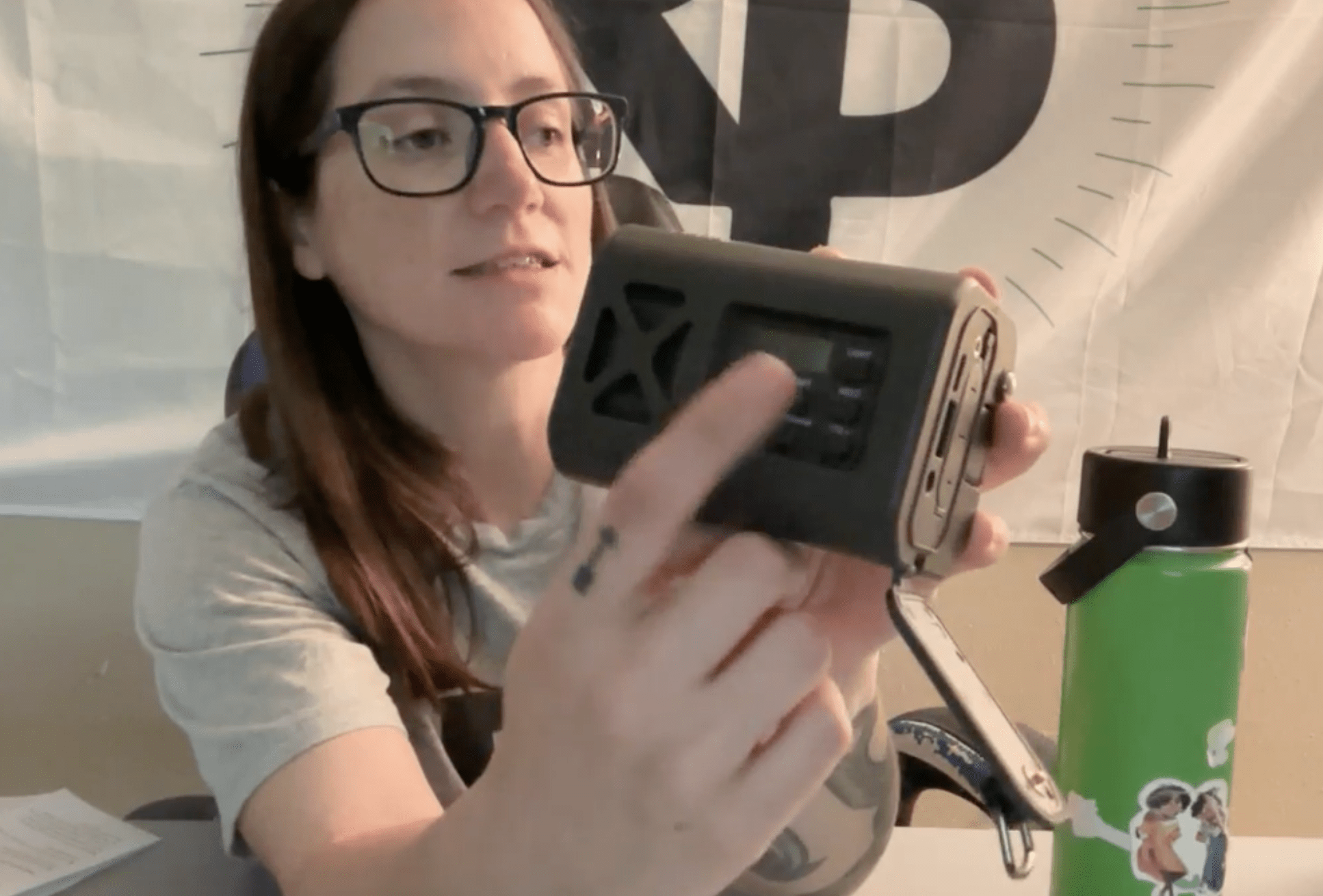
When the power and internet go down, an emergency radio might be the only way to stay informed. Weather alerts, evacuation notices, and local updates are critical during a disaster — but many people don’t realize how important a good radio is until it’s too late.
The good news? You don’t need to be a tech expert to pick the right one.
In this beginner’s guide, we’ll break down what to look for in an emergency NOAA weather radio, which features actually matter, and how to choose one that fits your budget and lifestyle.
Why You Need an Emergency Radio
Modern technology has made us reliant on phones and Wi-Fi, but during power outages or disasters, those networks often fail or can easily get overloaded to the point where they’re worthless.
An emergency radio is your lifeline to reliable information — it doesn’t depend on cell towers or the internet. You can:
- Hear NOAA weather alerts and warnings in real-time
- Receive local emergency broadcasts
- Get updates about evacuations, road closures, and recovery efforts
- Even charge small devices like your phone when the power’s out
In short: if you’re serious about preparedness, an emergency radio is non-negotiable.
Step 1: Know the Basic Types of Emergency Radios
There are three main types:
- Battery-Powered Radios
- Like a NOAA weather radio. Simple, affordable, and reliable — just keep extra batteries on hand.
- Best for people who want a backup they can toss in a kit.
- Hand-Crank Radios
- Can generate power manually, even if batteries or solar fail.
- Great for long-term emergencies or off-grid use.
- Solar-Powered Radios
- Use sunlight to recharge — ideal for daytime use.
- Often combined with hand-crank or battery backup for versatility.
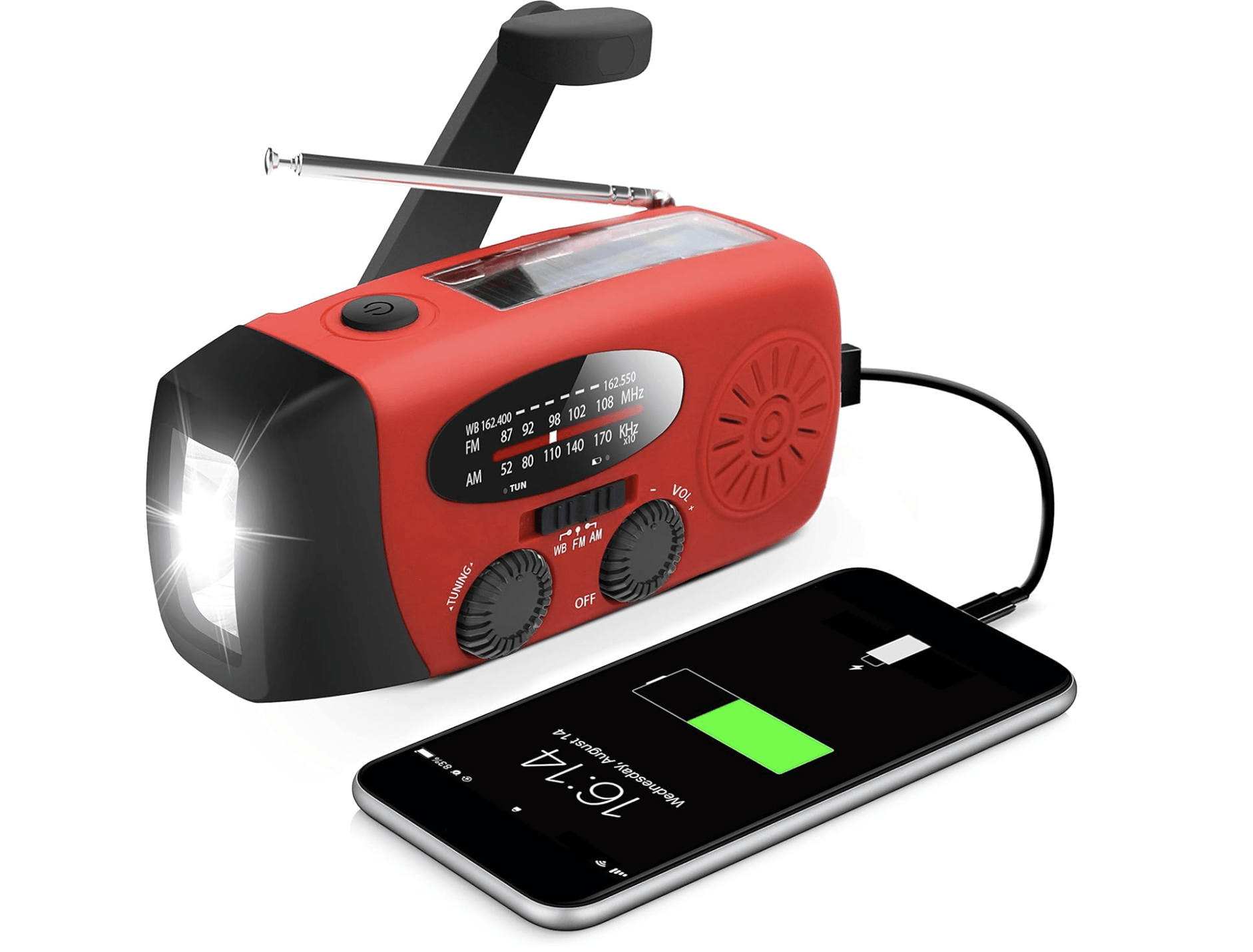
Best Option: Choose a radio that includes all three power options — battery, solar, and hand-crank. That way you’re covered no matter what.

Step 2: Look for These Must-Have Features
When choosing a radio, these features make the biggest difference:
1. NOAA Weather Alerts
This is the single most important feature.
Look for a radio that can receive NOAA (National Oceanic and Atmospheric Administration) broadcasts — they send emergency alerts for storms, tornadoes, hurricanes, and other disasters 24/7.
2. Multiple Power Sources
As mentioned, reliability is key. Your radio should have:
- Hand-crank generator
- Solar panel
- Battery compartment
- USB charging port (for wall charging or power banks)
3. Built-in Flashlight or Reading Light
Light is invaluable during an outage. Many radios come with built-in flashlights or lantern-style LEDs.
4. USB Port for Device Charging
A great emergency radio can charge your phone or small devices in a pinch. It won’t fully recharge a phone, but it can give you enough juice to make emergency calls or check messages.
5. AM/FM + Shortwave Bands
- AM/FM keeps you connected to local news.
- Shortwave (SW) allows access to distant broadcasts if local ones go down.
6. Durability & Portability
If you plan to take your radio camping, hiking, or keep it in a bug-out bag, look for:
- Rugged casing
- Water-resistant design
- Compact size and light weight
Step 3: Nice-to-Have Features (But Not Essential)
These extras can be handy, but don’t overpay for them if you’re on a budget:
- Bluetooth speaker mode
- SOS alarm or siren
- Digital display with clock
- Rechargeable lithium battery pack
Step 4: Best Placement for Your Radio
You don’t need just one — keep radios in:
- Home blackout kit (for long-term outages)
- Car emergency kit (for travel or evacuations)
- Bug-out bag (for portable use)
Tip: Test your radio every few months to make sure it’s still charged and functioning.
Emergency Radio Buying Checklist
Power Options
- Battery compartment
- Solar panel
- Hand-crank generator
- USB charging port
Features
- NOAA weather alerts
- AM/FM + shortwave capability
- Built-in flashlight or lantern
- USB port for phone charging
- Durable, water-resistant casing
Optional Extras
- Bluetooth or speaker mode
- SOS alarm
- Digital clock or display
Recommended Brands (Beginner-Friendly
You don’t have to break the bank. Reliable and affordable options include:
- Midland ER310 or ER50 (great all-around)
- RunningSnail MD-088s (budget-friendly classic)
- Eton FRX3+ (solar + hand crank combo)
- Kaito Voyager Pro KA600 (feature-rich and rugged)
These can often be found on Amazon, Walmart, or outdoor retailers — just look for models with NOAA certification and at least two power options.
Final Thoughts
This is the beginning of emergency radios. If you’re interested in getting more involved with CB, GMRS, ham radio or other radios in which you can transmit as well as receive information, keep an eye out for future blog posts.
An emergency radio like the one talked about here is one of those tools you hope you never need — but when you do, you’ll be incredibly glad it’s there. It keeps you informed, connected, and calm when everything else goes dark.
Action: Add a quality NOAA emergency radio to your home blackout kit this week. Test it, learn how it works, and keep it charged.
Go Deeper: Download The Ultimate Power Outage Survival Guide
If you’re serious about staying safe during power failures, grab my Ultimate Power Outage Survival Guide — it goes beyond radios and covers:
- How to safely store and cook food without electricity
- Off-grid power options (solar, generators, batteries)
- Water collection and purification methods
- Family safety, communication, and lighting tips
Download it here — it’s your complete roadmap to staying comfortable and in control when the lights go out.