
Emergency Preparedness
How to Be Prepared Before, During, and After a Storm

Jan
Storms are one of the most common emergencies people face, yet most households still feel caught off guard when one hits. Whether it’s a winter storm, a hurricane, flash flooding, or a severe thunderstorm, the potential threats are real:
- Power goes out
- Water systems struggle
- Roads become unsafe
- Stores run empty or close
- Cell service can be unreliable
The goal isn’t to panic every time a storm shows up in the forecast. The goal is to be prepared long before it ever appears in the forecast so you’re not scrambling when the weather turns.
Here’s how to prepare before, stay safe during, and recover smartly after a storm.

Before the Storm: Set Yourself Up for Success
Storm preparedness is mostly done before the first drop of rain or flake of snow falls.
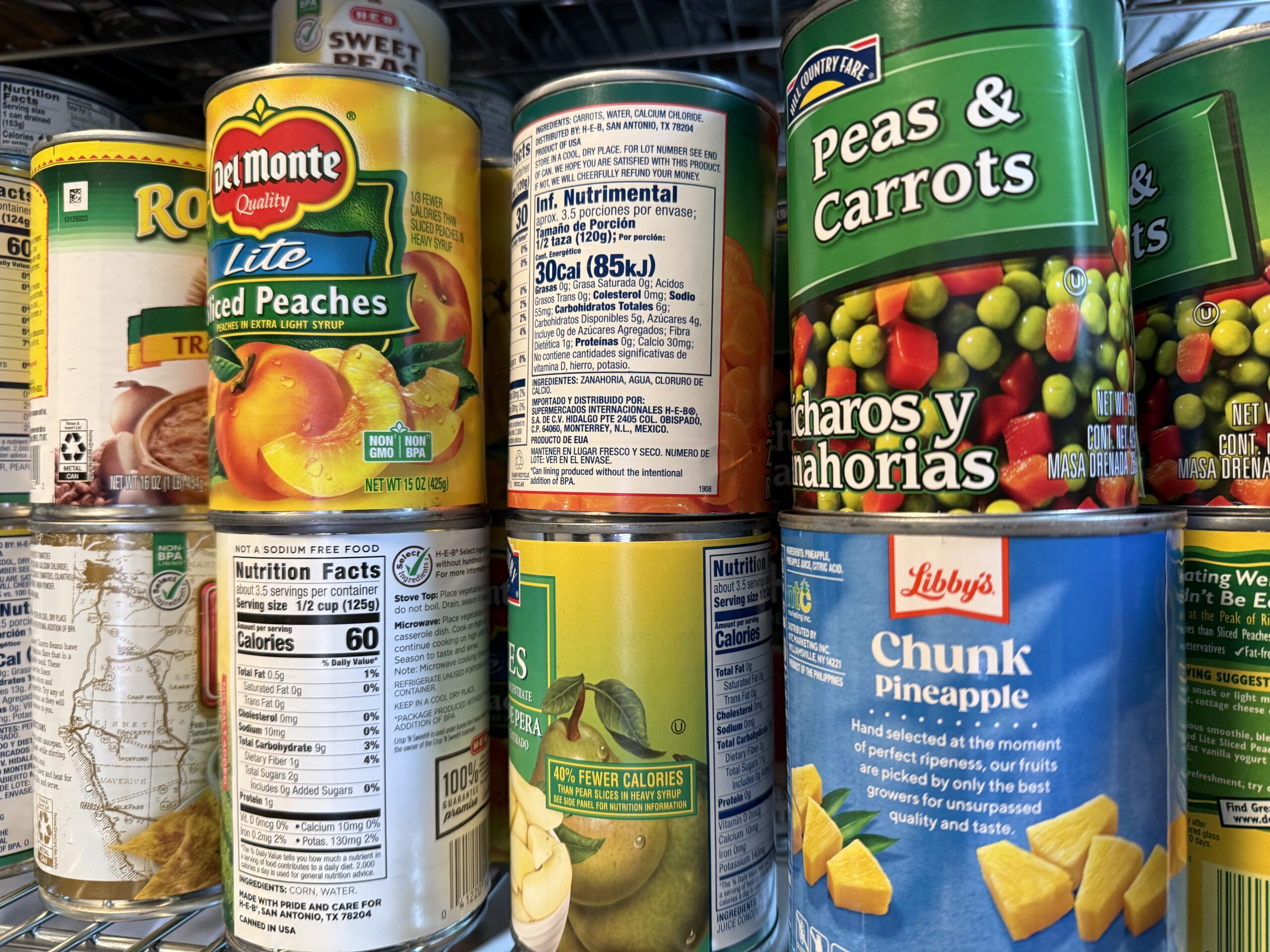
Before the forecast ever says anything big is headed your way, you should already have some non-perishable food items, water, alternative cooking and some heating/cooling options.
Once the forecast says something is headed your way, then you can:
1. Watch the Forecast Early
Don’t wait until the last minute. As soon as a storm system is predicted:
- Charge all devices and power banks
- Top off vehicle fuel tanks
- Check batteries in flashlights and lanterns
- Do a load of laundry
- Take a shower
- Clean the dishes
2. Secure Water
Storms often affect water pressure or water quality.
- Store at least 2 gallons per person per day for several days
- Fill extra pitchers, jugs, and containers if a storm is imminent
- Fill the bathtub
- Know how to remove water from a water heater
- If you have snow, you can melt the snow and sanitize it
- If you have nearby lakes or rivers, you will need a plan to haul and sanitze
- If you have a pool, you’ll need a plan to properly purify it
3. Prepare Food That Doesn’t Require Cooking
Assume the stove may not work. Even if you have a propane or gas stove, you can light it manually without electricity, but even then, you’re still relying on a source that could be unreliable. It just depends. Backups never hurt! Also, unless you have a generator, perishable foods won’t do you any good.
- Stock non-perishable, shelf-stable foods
- Have alternative cooking/boiling source like a coleman stove, buddy burner or alcohol stove
- Make sure you have a manual can opener
4. Check Your Home
- Bring in or secure outdoor items (patio furniture, trash cans, decor)
- Clear gutters and drains if flooding is possible
- Cover or insulate exposed pipes in winter
- Close blinds and curtains to help regulate indoor temps, you can also use blackout curtains, or secure aluminum foil on the windows
- Secure any drafts
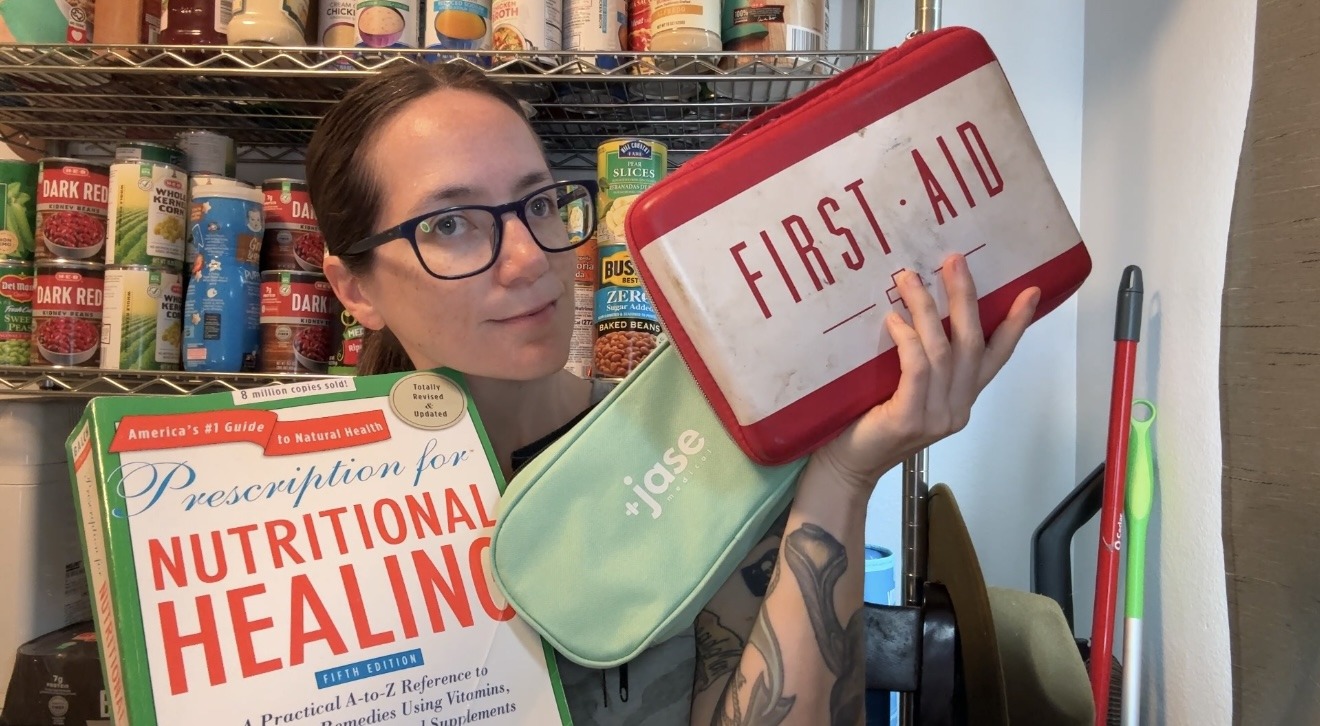
5. Gather Your Storm Supplies in One Place
Have a simple “storm tote” with:
- Lighting
- First aid kit
- Candles
- Lighters
- Radio
- Blankets
- Water
- Snacks
- Important documents
- Backup battery bank
- OTC medicine or prescription meds
During the Storm: Focus on Safety and Conservation
Once the storm hits, your job is to stay safe and conserve resources.
1. Stay Indoors and Stay Put
Avoid travel unless absolutely necessary. Roads become dangerous quickly in storms of any kind.
2. Conserve Phone Battery
Use low power mode and avoid unnecessary usage. You may need it later for updates or emergencies. Or use your backup battery banks.
3. Preserve Fridge and Freezer Cold
Keep doors closed as much as possible.
- Fridge: ~4 hours safe unopened
- Freezer: 24–48 hours if full
4. Lighting
Rely on lanterns, candles, headlamps, glow sticks, solar path lights, and flashlights.
5. Manage Temperature
- In winter: create a warm room, layer clothing, use blankets and sleeping bags, you can also set up a tent or some type of blanket fort for even better heat retention
- In summer: stay hydrated, use shade, use blackout curtains, get a kiddy pool, limit activity
6. Listen for Updates
Use an emergency radio or limited phone checks to stay informed about warnings, boil notices, or evacuation orders.
However, always listen to your instincts, if you feel you need to go because your home might be in danger (flood, hurricane, wild fire, etc.), then go.
After the Storm: Don’t Rush Back to Normal
The danger doesn’t end when the storm passes.
1. Check for Hazards First
Before moving around:
- Watch for downed power lines
- Check for broken glass, debris, or structural damage
- Be cautious of flooded areas
2. Be Careful With Food
If power was out:
- Discard anything that smells off
- When in doubt, throw it out
- Don’t risk food poisoning
3. Check Your Water
If authorities issue a boil notice, follow it. If unsure, filter or boil water before drinking.
4. Help Neighbors and Check on Others
Urban and suburban communities recover faster when people check in on each other, especially the elderly or those with mobility issues.
5. Restock Immediately
As soon as stores reopen:
- Replace used water and food
- Recharge batteries
- Note what you wish you had and add it to your supplies

Storm Preparedness Checklist
Before
- Charge devices and batteries
- Store extra water
- Set aside no-cook food
- Secure outdoor items
- Gather storm supplies in one place
During
- Stay indoors
- Preserve fridge/freezer
- Use lighting
- Conserve phone battery
- Monitor updates
After
- Check for hazards
- Discard questionable food
- Treat or boil water if needed
- Check on neighbors
- Restock supplies
Final Thoughts
Storms are predictable and we usually get days worth of notice. Sometimes it’s not as bad as they’re predicting, other times, it can be much worse. Stay informed and stay ready. When you prepare once with a simple plan like this, you’re ready for winter storms, hurricanes, flooding, and severe weather alike.
Preparedness isn’t about overreacting. It’s about removing stress from situations that happen every year.
Action:
Download my free checklists and guides. Put together a small storm tote this week so you’re ready before the next system rolls in.

I enjoy your site. Thank you
Thank you!
God Bless You 🙏
And you!