
Emergency Preparedness
The Urban Blackout Pantry: 20 Foods That Don’t Require Cooking

Dec
When the power goes out in a city, cooking instantly becomes harder. Electric stoves stop working, water heaters shut off, gas stoves may be unreliable and honestly, who wants to cook during a blackout?
That’s why every city household needs an urban blackout pantry—a stash of foods that require no cooking, no heating, and almost no prep. These foods are inexpensive, easy to store, and perfect for everything from a short outage to a multi-day grid failure.
These are items that would just be in your pantry and you’d be rotating through in your regular meal plan as usual. So they’re there, they’re fresh and ready to eat for whenever!
Below are 20 practical no-cook foods that store well, taste good, and keep your family fed when cooking isn’t an option.
Why You Need a No-Cook Pantry in the City
Urban environments rely heavily on electricity:
- Most homes cook with electric ranges
- Multi-story buildings lose water pressure
- Elevators and access points fail
- Power outages often coincide with storms or infrastructure overload
A no-cook pantry means you can eat safely—even if the stove, microwave, and oven are out for days.
This list focuses on foods that are:
- Shelf-stable
- Easy to store in small spaces
- High in calories
- Require no heating
- Budget-friendly
Keep in mind, even though these ideas are technically no-cook, it is a morale booster to have hot water for coffee, hot soup or hot water for oatmeal. So I highly recommend getting something like a Jetboil to quickly boil water.
20 No-Cook Foods for Your Urban Blackout Pantry
1. Canned Chicken or Tuna
High protein, versatile, and long shelf life.
Pair with crackers, veggies, or eat straight from the can.
2. Canned Beans (Black, Pinto, Garbanzo, Kidney)
Ready to eat cold.
Great with seasoning, salsa, or tortilla chips.
3. Peanut Butter (or Almond Butter)
High-calorie, high-fat, filling, and kid-friendly.
4. Shelf-Stable Tortillas
Last longer than bread and pair with almost anything.
5. Crackers
Great for spreads, tuna, canned meats, beans, or snacking.
6. Instant Oatmeal Packets
Can be eaten cold with water if needed.
Not ideal, but better than nothing—and surprisingly filling. Remember, you can use the Jetboil to boil the water for the oatmeal.
7. Canned Soups and Chili (Ready-to-Eat)
Choose the ones that don’t require cooking.
Cold soup isn’t glamorous, but it’s food.
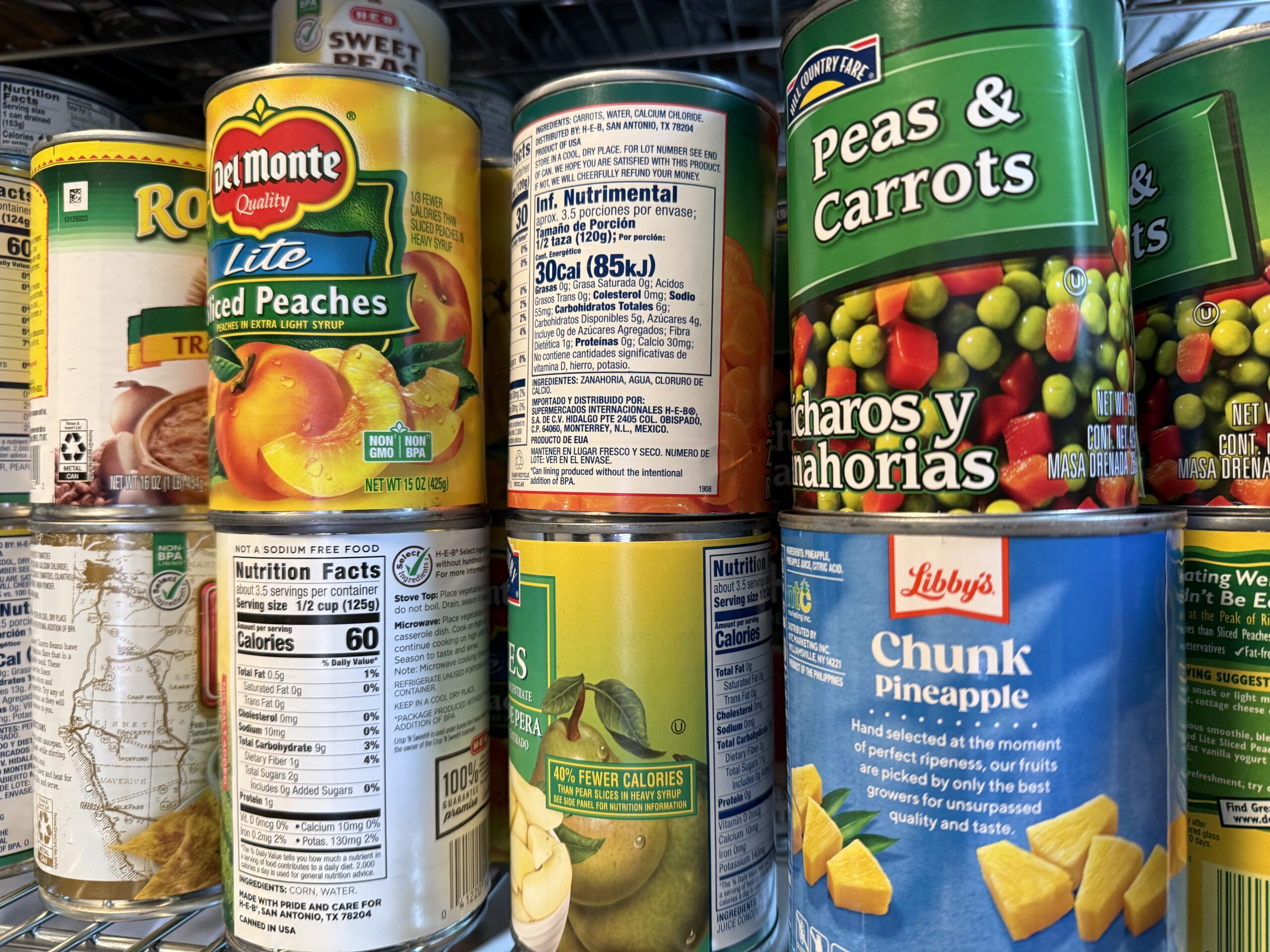
8. Canned Fruits
Easy, sweet, hydrating, and morale-boosting.
9. Applesauce Cups
No heat, no mess, and good for quick calories.
10. Energy Bars or Protein Bars
Compact, long-lasting, and perfect for snacking or quick meals.
11. Dry Cereal or Granola
Requires no cooking and stores easily.
Eat dry or with shelf-stable milk.
12. Shelf-Stable Milk or Plant-Based Milk
Look for small cartons that don’t require refrigeration until opened.
13. Trail Mix
Filling, calorie-dense, and great for long outages.
14. Canned Vegetables
Green beans, corn, carrots—eat cold or mix with other foods.
15. Pouches of Rice or Pasta (Already Cooked)
Many grocery stores carry ready-made rice or pasta pouches that can be eaten cold.
16. Canned Pasta Meals (Ravioli, Spaghetti, Etc.)
Ready-to-eat, kid-friendly, and surprisingly satisfying.
17. Canned or Jarred Salsa
Pairs with chips, beans, rice pouches, and canned meats.
18. Dried Fruit
High-calorie, long shelf-life, and easy to store.
19. Jerky or Cured Meats
High-protein and no refrigeration needed.
20. Shelf-Stable Cheese (like canned cheese)
It’s expensive, but nice to have on hand. Great for morale.

Bonus Items to Make No-Cook Meals Better
These aren’t meals on their own, but they upgrade everything.
- Salt, pepper, and basic spices
- Shelf-stable condiment packets
- Hot sauce
- Crackers and chips
- Ramen seasoning packets
- Honey
- Nutella or jam
Even without cooking, flavor makes a huge difference.
How Much No-Cook Food Should Urban Households Store?
A good starting point:
- Three days of no-cook meals
- Upgrade to seven days as your pantry grows
- Expand to two weeks for long-term resilience
In urban settings—where outages often last 24–72 hours—seven days of no-cook foods gives you a strong buffer.
Where to Store Everything (Even in Small Spaces)
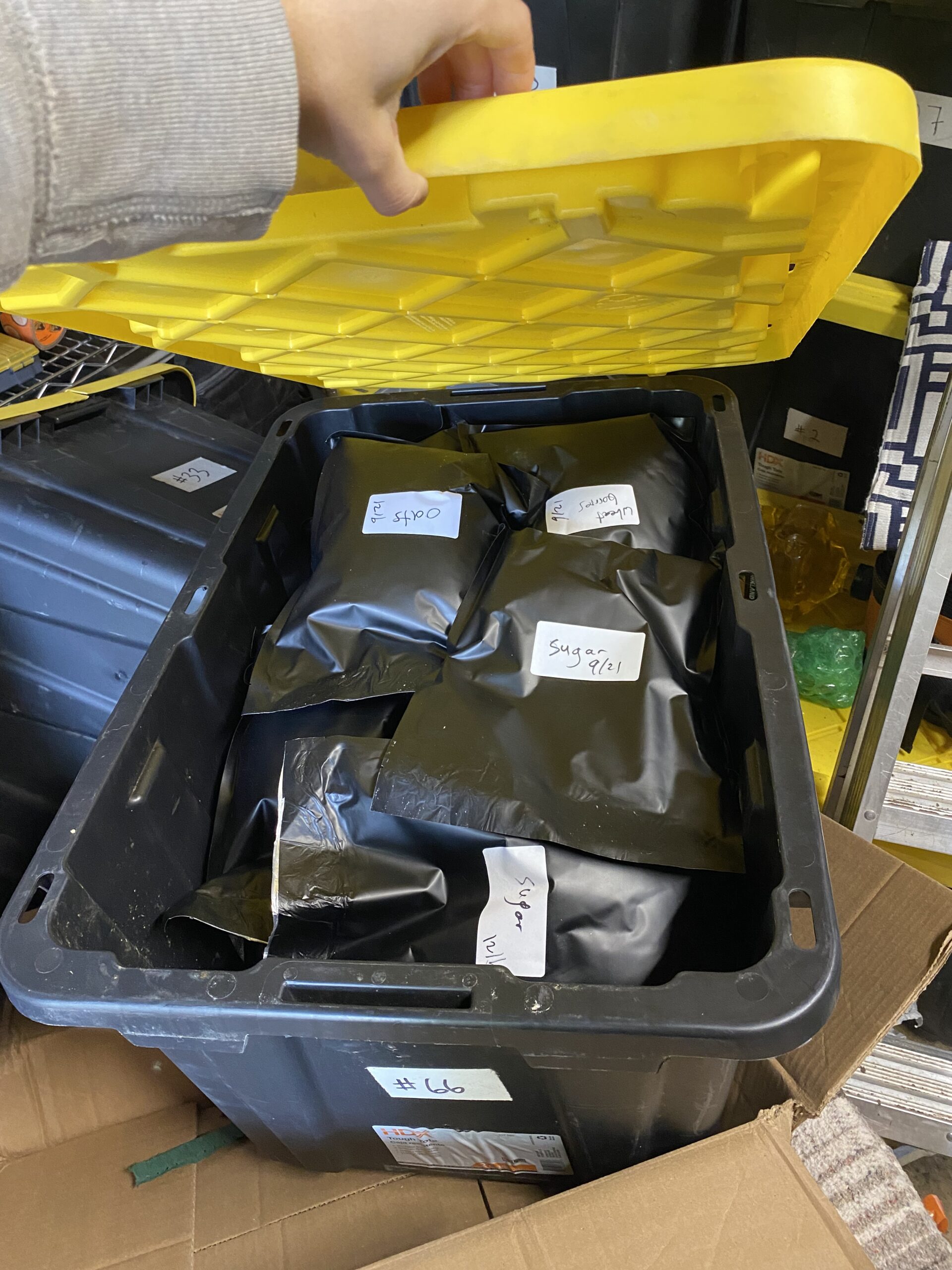
Urban storage is about using hidden, overlooked areas:
- Under beds
- Inside cabinets
- Bottom of closets
- Pantries or kitchen bins
- Inside unused suitcases
- Behind couch storage bins
- Laundry room shelves
Spread food out in multiple small locations rather than trying to dedicate one big space.
Urban Blackout Pantry Checklist
- Canned meats
- Canned beans
- Crackers and tortillas
- Ready-to-eat soups and chili
- Protein bars
- Trail mix
- Canned fruits and veggies
- Shelf-stable milk
- Dry cereal and granola
- Pouched rice and pasta
- Jerky
- Applesauce cups
- Shelf-stable canned cheese
- Peanut butter
- Spices and condiments
- Of course, don’t forget water! Still need to drink water, even if you’re not using a lot for cooking purposes
Final Thoughts
A no-cook pantry isn’t about gourmet meals—it’s about meeting your family’s needs when the grid goes down. Store what you eat, and eat what you store.
With a small stash of the right foods, you can stay fed, calm, and clear-headed until the power returns.
Action:
Add 3–5 items from this list to your next grocery trip and start building your urban blackout pantry today.
Want a full 7-day meal plan and grocery list? Download my FREE no-cook meal plan guide!

Thank you
thank YOU!
Perfect, thank you. I add 21. chocolate :)
Thank u
Thanks for stopping by!
A must have!
Thank you ou so much!
Thank YOU!