
Food
The Biggest Mistake People Make When Storing Food (It’s Not What You Think)

Apr
Most people think the biggest mistake in food storage is:
Buying the wrong food.
It’s not.
The real mistake?
They don’t store it in a way that actually protects it.
The “It’ll Be Fine” Approach
The amount of times I hear people tell me, “can’t I just…”
They want a shortcut.
To everything.
Here’s what I see all the time:
- Bags of rice sitting on a shelf
- Flour in its original packaging
- Boxes of pasta stacked in a closet
It looks like food storage.
But it’s not.
Because that food is still vulnerable to:
- Moisture
- Oxygen
- Pests
- Heat
And over time…those things will win.
Yes, all of that is non-perishable, dry foods. But that doesn’t mean that those things I mentioned above won’t affect their shelf life, quality and texture.

What Happens Over Time
Even if nothing “obvious” happens right away:
- Food slowly degrades
- Nutrients break down
- Shelf life drops dramatically
And in some cases:
- Bugs hatch (yes, even in sealed-looking bags)
- Food spoils faster than expected
So when you finally go to use it…It’s not as reliable as you thought.
Why spend all that time, money and valuable space just for it to go bad and be unusable?
The Real Goal of Food Storage
It’s not just:
“Have extra food”
It’s:
“Have food that will still be good when you actually need it.”
That requires a system.
Not guesswork.
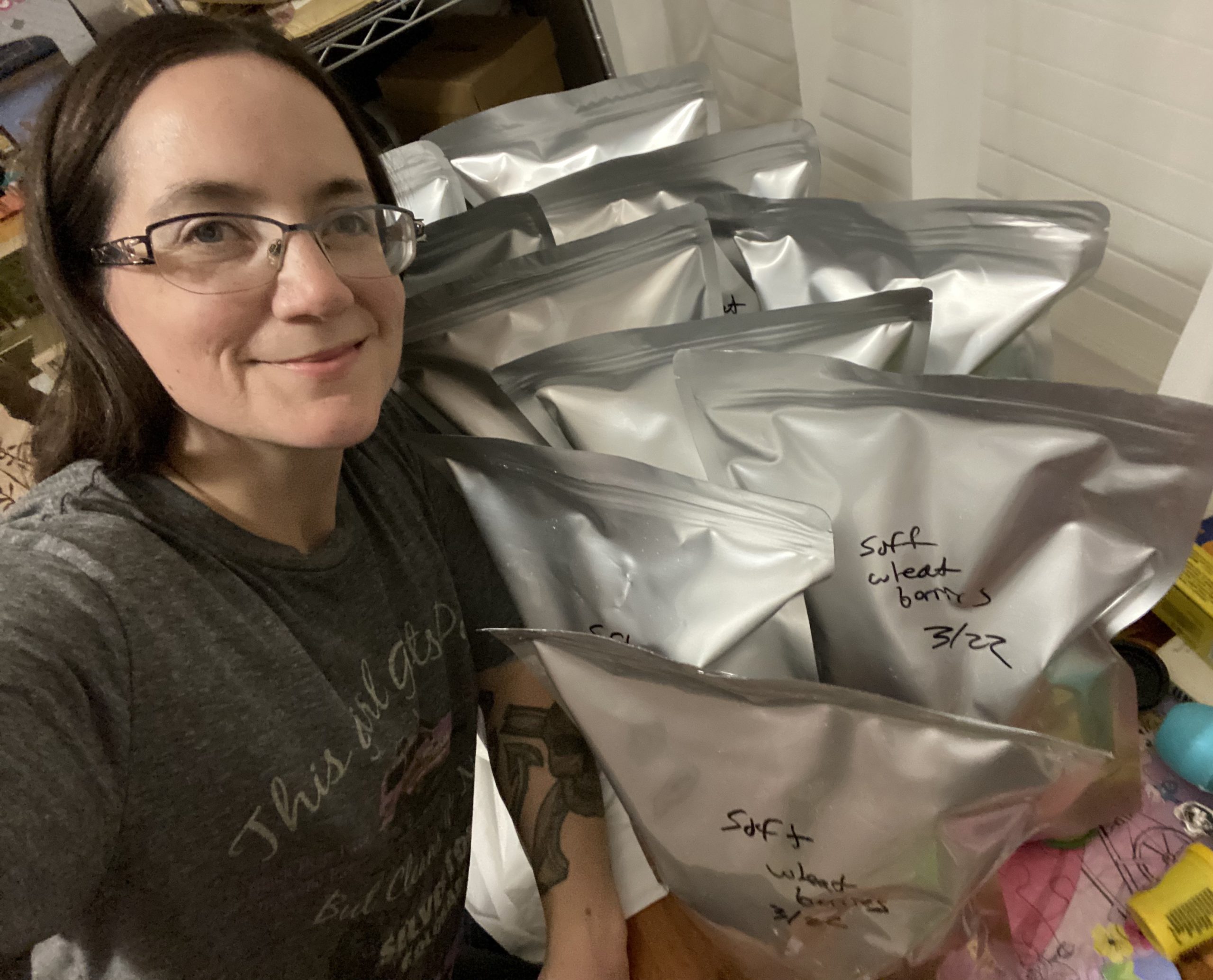
Don’t Skip This Simple Upgrade
One of the easiest ways to dramatically improve your food storage is:
Removing oxygen.
Because without oxygen:
- Bugs can’t survive
- Food lasts significantly longer
- Spoilage slows way down
That’s where Mylar bags and oxygen absorbers come in.
A lot of people jump into Mylar and still make mistakes:
- Using thin, cheap bags
- Not sealing them properly
- Adding moisture (big problem)
- Guessing on oxygen absorber sizes
And then wondering why their food didn’t last or it tasted weird or spoiled or whatever.
Food Storage Is a System
The people who do this well aren’t just “storing food.”
They’re:
- Choosing the right foods
- Storing them properly
- Rotating them
- Tracking what they have
That’s what makes it reliable.
Especially If You Have Limited Space
If you’re working with:
- A small pantry
- A closet
- Under-bed storage
- Buckets or bins
Then doing this right matters even more.
Because I don’t know about you, but I don’t like wasting food, time, money or storage space. I’m a mom to three kids, ain’t nobody got time for all that.
What You Should Do Next
Start with one category:
- Rice
- Beans
- Pasta
- Flour
And store it properly, not just conveniently.
You don’t need to do everything at once. Just do something in the right direction.
Want the Full System?
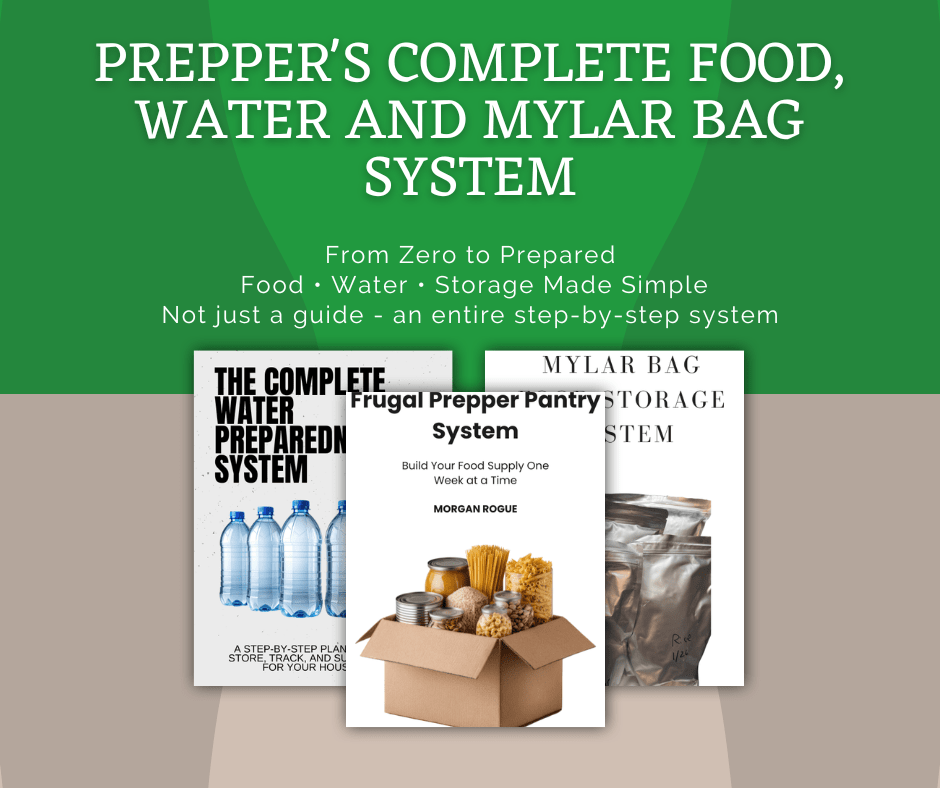
If you want a step-by-step breakdown of:
- What foods to store
- How to store them (including Mylar)
- How much you actually need
- And how to rotate it without wasting money
I put everything into one complete guide so you don’t have to piece it together yourself.
I don’t want you to just survive, I want you to THRIVE!
Don’t just stock up on food as if it’s a museum. Turn it into a prepper system powerhouse.

LOVE your content! I think I’m just a prepper at heart. I’m a lot older than you and have been prepping for ages, but I learn so much from you! Thank you so much for your efforts and care conveying your information in clear, complete, knowledgeable way!
thank you so much!