Emergency Preparedness
30 Ways Kids Can Get Involved In Preparedness
Apr
This is a guest post by Melonie Kennedy. Melonie Kennedy is a military wife, homeschooling mom, author, and small business owner. Connect with her on LinkedIn, Instagram (@ThreeRavensWellness and @CorvidianSolutions), and on her website, Corvidian Solutions.
As adults interested in emergency preparedness, it is easy to fall into the trap of just making things happen and taking care of business ourselves. After all, a large part of the reason people prepare is because they want to protect their loved ones.
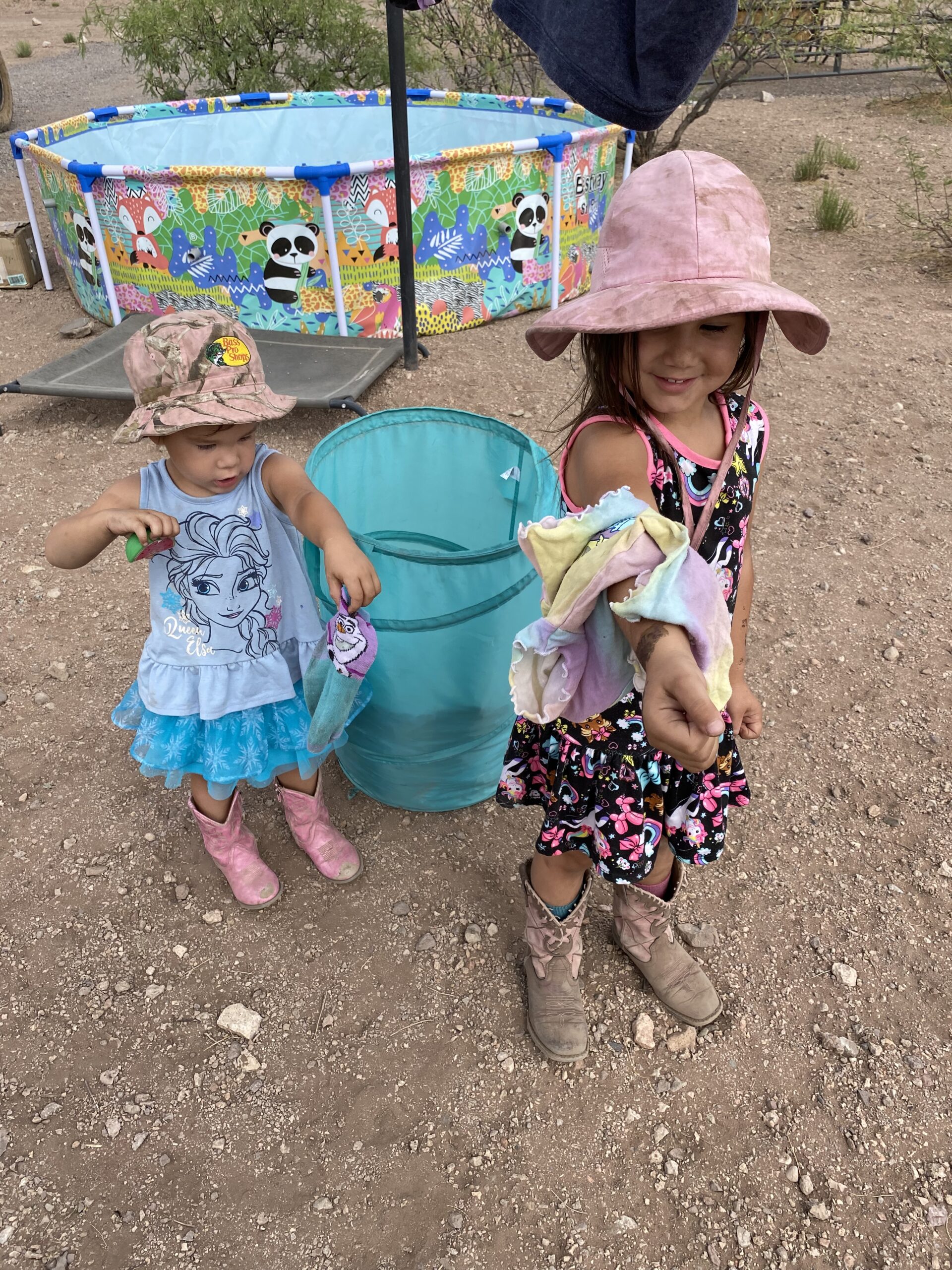
However, it’s important to remember that while our children are a great motivation for the why of prepping, they can also be instrumental in how we prep. My family has a history of involving the children in preparedness efforts so that we are aware, but not scared; my husband and I have incorporated our own children in a similar manner.
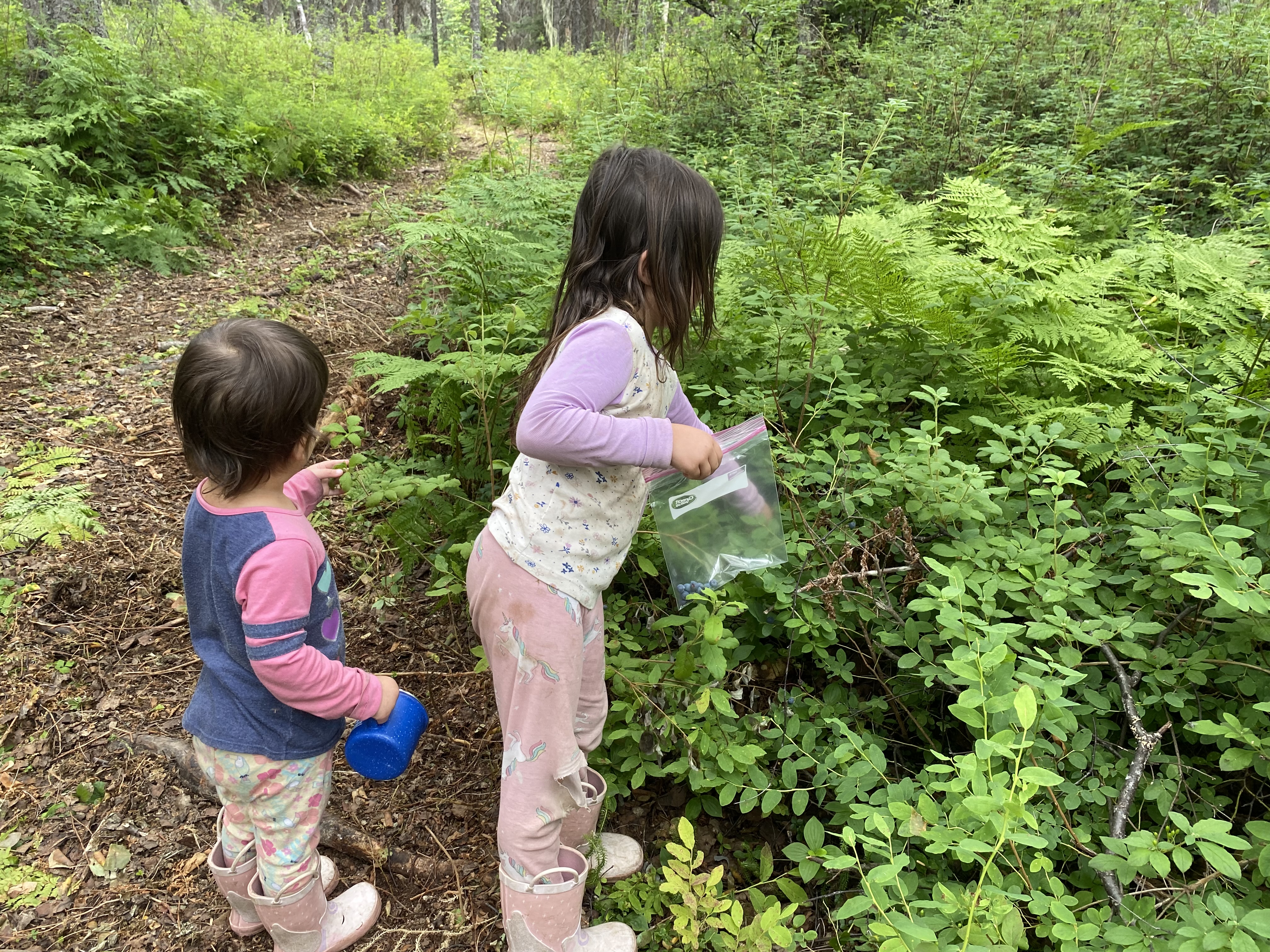
Some reasons to make sure your kids are involved in your preparedness efforts include:
- Teaching them the necessary skills for being prepared adults when they are out from under your wing.
- Giving you “all hands on deck” in an emergency.
- Helping them understand how you will respond in various situations, so they are less likely to panic and can react appropriately themselves.
- Making use of each family member’s unique skill set, interests, and strengths.
- Allowing you to divide and conquer – each person has their own lanes and responsibilities based on their abilities and passions.
- Creation of true teamwork within your family unit.
Kids can be amazing motivators and they provide a checks and balances system for us. Caring for worried children can teach us to share concerns in a concrete manner and remind us to present solutions to problems.
Don’t just say “Mom/Dad’s got this!” and move on; giving your kids a chance to express worries and addressing them with real answers helps them see how you are prepared (within reason – OPSEC means this depends on their maturity!). Doing this will also help you with worries on your end; for anxious people, verbalizing solutions to children helps solidify them in your own mind, much like writing down thoughts racing through one’s head at bedtime in order to sleep.

My own children were so accustomed to our lifestyle that they were truly shocked when they learn not everyone bothers to keep a pantry, first aid kit, or some emergency cash, and they were often the first to point out if the fuel gauge on our truck was getting close to half. There are so many ways that kids of most ages can be involved in family preparedness that it’s almost funny. It’s really neat to see children get involved in family preparedness tasks and blossom through their contributions and successes!
Here are a few ways we can involve youngsters to get more involved in prepping:
- Grab a first aid kit for an adult providing aid to someone.
- Call 911 and provide information about a situation being handled by older individuals.
- Call 911 and follow the instructions of a dispatcher if a caregiver is hurt.
- Learn first aid, CPR and AED skills as abilities allow and perform these functions if necessary.
- Grab a fire extinguisher or hose to help combat a small fire.
- Help decide where to place first aid kits and fire extinguishers. (Need to know where to mount a fire extinguisher? Have your shortest family member capable of using it hold it where they can reach it – then anyone big enough to use it can get to it!)
- Attend Stop the Bleed! training so they can assist others in the event of severe injury.
- Participate in fire drills at home and at school.
- Help double check that doors and windows are locked at bedtime (particularly if a child tends toward anxiety about “bad guys” – seeing for themselves that the house is as secure as you can get it can sometimes help).
- Fill sinks and bathtubs with water during impending storms that require water storage.
- Help get younger children or people in wheelchairs to safety.
- Distract and entertain others while taking shelter, such as in a tornado shelter. (Yay! A captive audience for a thousand knock-knock jokes!)
- Help in the garden, from selecting and planting seeds to harvesting food.
- Join in food preservation efforts, based on ability and maturity.
- Learn to hunt and fish while supervised and potentially graduate to hunting food for the family alone.
- Open doors and move items, based on their abilities, during an evacuation.
- Participate in a family “bucket brigade” to hose down or dampen a homestead during wildfire season.
- Serve as extra eyes and ears at home and in the community, particularly when an adult is focused on something else and needs feedback on surroundings.
- Use strengths in handcrafting such as wood carving, sewing, knitting, and carpentry to offset costs and assist (or create entirely on their own) in getting gear needs addressed.
- Participate in ALICE (or similar) drills at school, in order to prepare for active shooter situations.
- Provide opportunities to focus and motivate other family members. For instance, an elderly grandparent with limited mobility is still a wonderful resource when it comes to trying to wrangle toddlers and secure a baby during an evacuation. Let Nana snuggle your infant while you wheel them both down a ramp and ask Grandpa to be in charge of reading to restless preschoolers in that storm shelter.
- Counting and restocking pantry items. (My kids loved putting cans back in rotation-type storage units!)
- Be workout buddies – whether in a jogging stroller, in a hiking pack, on a treadmill beside you, skiing, biking – you name it.
- Help with the care and keeping of livestock, from gathering eggs and mucking stalls to learning pet first aid and helping herd sheep.
- Learn to safely handle firearms and other weapons and prepare to defend themselves if necessary (or serve as your back-up).
- Take a self-defense class or attend martial arts lessons to defend themselves and others if necessary.
- Join Civil Air Patrol, the Junior Reserve Officer Training Corps (JROTC), Search & Rescue, a junior police cadet program through your local law enforcement agency, or similar training programs to build up personal skills, build a resume, and give back to the community.
- Personalize their own bug-out bags with items they would prefer in an evacuation, such as putting in a second copy of their favorite book, a beloved stuffed animal, or a preferred snack.
- Learn how to read paper maps and provide directions to a driver; also know how to enter addresses into a GPS system, make phone calls, and read/respond to text messages so a driver can keep their eyes and attention on the road.
- Help sort and rotate emergency supplies – somehow my kids are always available to help rotate dessert mixes!
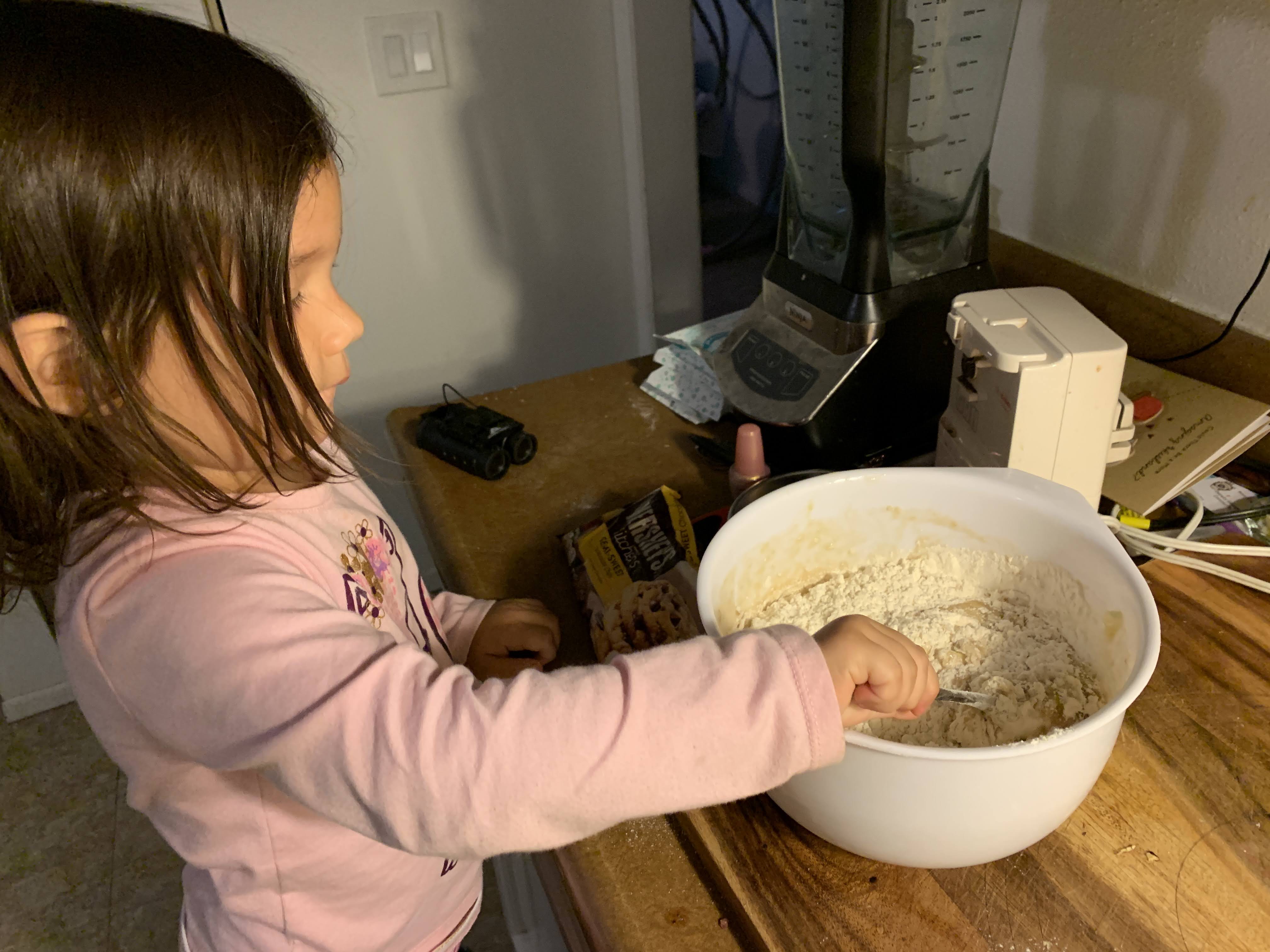
As you can see, involving kids in our preparedness efforts really doesn’t mean that they have any jobs that adults don’t have – it’s simply that we adults need to remember that kids can be great members of our preparedness community when we let them join in.
All too often, as a mom, I took the quick route to getting something done my way instead of taking the potentially slower, somewhat sloppier route that let my kids get involved and learn to be productive members of a more prepared society. I worked on changing that day by day, and I hope you’ll join me by looking at this list and analyzing where your kids can jump in and further your family’s preparedness too!