Emergency Preparedness
Pantry vs. Food Storage: What’s the Difference (And Why It Matters)

May
A lot of people think they have food storage because their pantry is full.
They’ve got canned goods, pasta, cereal, snacks, and maybe a few extra bags of rice shoved in the back.
That sounds prepared, right?
Unfortunately…
A full pantry and actual food storage are not the same thing.
And if you don’t know the difference, you may be far less prepared than you think.
Your Pantry Supports Everyday Life
Your pantry is for normal life.
It’s the food you use every week.
It supports:
- regular meals
- lunch packing
- quick dinners
- snacks for the kids
- ingredients you rotate constantly
Your pantry is active.
It moves.
You buy it, use it, replace it.
That’s a good thing.
A strong pantry is the first layer of preparedness.
But it shouldn’t be the only layer.
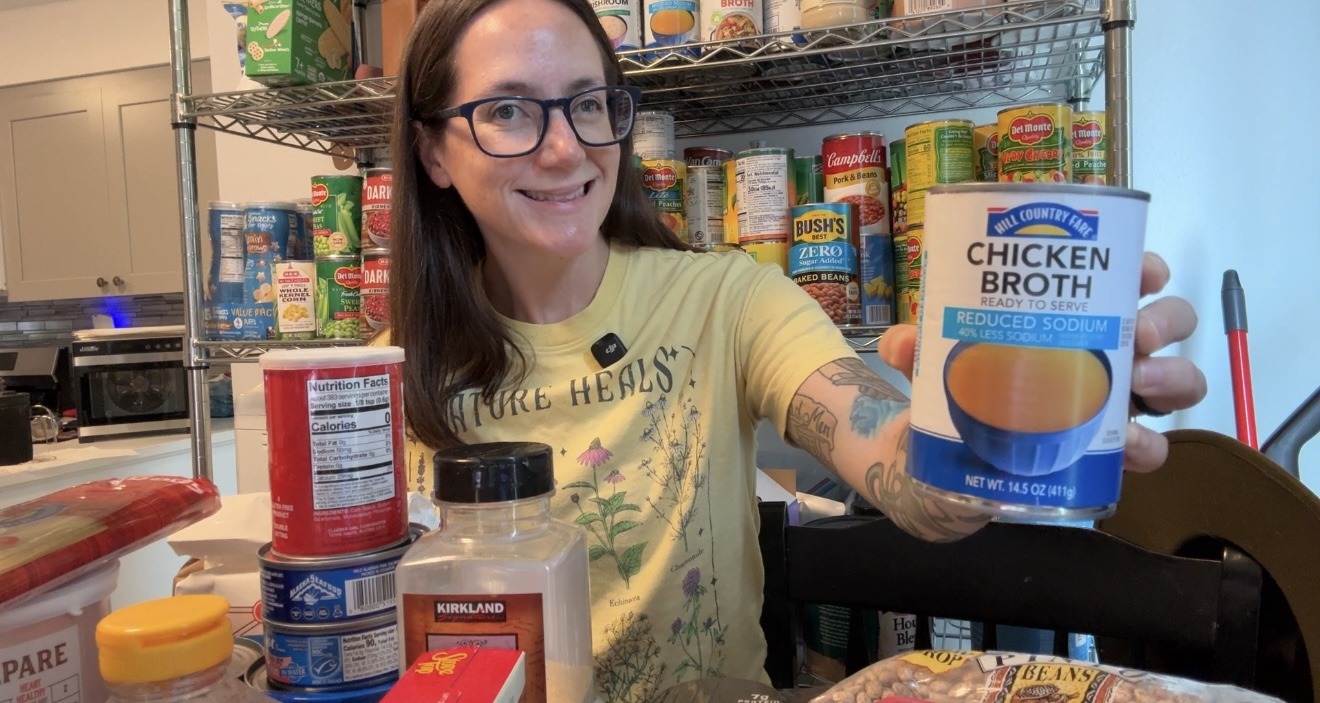
Food Storage Supports Disruption
Food storage is for when normal life stops being normal.
- Power outages.
- Supply chain issues.
- Job loss.
- Storms.
- Unexpected emergencies.
Food storage exists so your family can keep functioning when the grocery store is not an option.
It’s not just “extra food.”
It’s intentional food.
- Food stored for reliability.
- Food protected for long-term use.
- Food you can depend on.
The Problem With Treating Them the Same
Most people blur the line.
They buy extra groceries and call it preparedness.
But then:
- they forget what they have
- food expires in the back
- pests get into bags
- they have ingredients but no actual meals
- they run out faster than expected
That’s not a system. That’s organized chaos. And chaos is expensive.

A Real Food System Has Layers
Think of it like this:
Layer 1: Working Pantry
Your everyday food.
What you use constantly.
Layer 2: Deep Pantry
Extra of what you already eat.
More canned goods.
More dry goods.
More cooking basics.
This helps during short disruptions.
Layer 3: Long-Term Storage
Food specifically stored for months or years.
Rice.
Beans.
Oats.
Flour.
Pasta.
Freeze-dried foods.
Bulk staples stored properly.
This is where Mylar bags, oxygen absorbers, and true shelf-life planning matter.
This is your long game. Though all layers can be used to replace any other layer, it’s important to differentiate them.
Storing Food Without a Meal Plan Is a Mistake
One of the biggest mistakes I see?
People store ingredients they never use.
They buy what someone online said they “should” have.
Then months later they realize:
Nobody in the house knows how to cook it.
Nobody wants to eat it.
And now it’s just expensive clutter.
Your food storage should be built around meals you’re actually going to eat.
If your family eats chili, tacos, pasta, rice bowls, soups then store for those meals.
Preparedness should fit your life. Why make yourself suffer more during an already stressful situation “just cause”? That’s surviving. And I don’t want you to survive. I want you to THRIVE!

Small Space? Even More Reason for a System
If you live in an apartment, urban area, suburbs, maybe with kids and regular life happening; you probably don’t have endless storage space.
That means every inch matters.
Buckets.
Bins.
Closets.
Under-bed storage.
Shelving.
You need intention, not random stacking.
Because wasted space becomes wasted money. And I don’t know about you, but I hate wasted money, wasted space and wasted time.
What You Should Do This Week
Take a look at your pantry and ask:
Could I feed my family for 2 weeks without shopping?
Listen, it’s ok to use all the food in your house during an emergency or disaster. But it’s especially important to audit your food and get a system in place in case you “only eat fresh” or are on a tight budget and tight space. Waste nothing. Rotate everything.
Want the Full Food Storage System?
If you want a clear step-by-step breakdown of:
- what foods to store
- how much you actually need
- how to use Mylar bags correctly
- how to rotate food without waste
- and how to build a real food system instead of random stockpiling
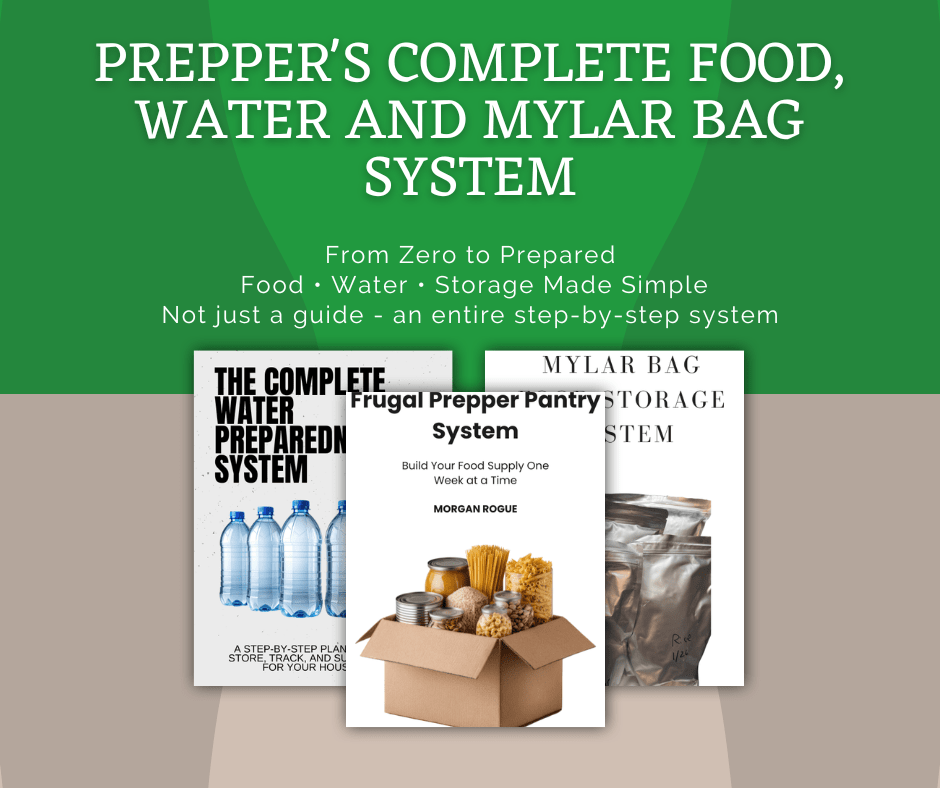
I put everything into my Food, Water, and Mylar Bag System.